If you’ve ever spent time planning a wet bar—whether in your basement, a recreational room, or a stylish home addition—you know it’s a space built for both function and small, well-earned luxuries. It’s where you mix cocktails after a long week, host game night spreads, and wipe up spills that feel less like messes and more like part of the fun. But here’s the thing that keeps so many DIYers and professional contractors up at night: the wet areas. Sinks, ice makers, under-bar refrigerators, and even the occasional accidental splash from a glass of water or a beer can turn a poorly prepared wall into a moldy, warped headache before you know it. That’s where I come in, and today I want to talk about one question I get more than any other from folks navigating their wet bar builds: Can custom size waterproof backer board actually work for this space? Custom Size Waterproof Backer Board

Let’s start with the basics. Most people are familiar with standard backer boards—those 3×5 foot sheets you find at any hardware store, used to line shower walls, bathroom floors, and other high-moisture areas. But wet bars aren’t shower stalls. Their walls are often dotted with cutouts for electrical outlets, niche shelves for liquor bottles, and the area behind the bar where the sink and ice maker hook up. Standard backer boards force you to make messy, awkward cuts that leave gaps, rough edges, and spots where moisture can seep in. That’s the exact problem our custom size waterproof backer board is built to solve. I’ve been supplying these boards for over a decade now, and I’ve watched them turn what used to be a stressful, error-prone part of a wet bar build into something straightforward and reliable. But I don’t just sell a product—I’ve seen how it works in real, lived-in spaces, so let’s break this down properly.
First, let’s get the science out of the way, because this isn’t just about convenience—it’s about performance. Waterproof backer board isn’t the same as regular drywall, which will crumble, grow mold, and attract mildew within months if exposed to consistent moisture. Standard cement backer board, which has been the go-to for years, is porous if it’s not sealed properly. Even the “water-resistant” versions can absorb water over time if their seams aren’t taped and sealed correctly, and those tiny gaps from bad cuts become perfect entry points for moisture, leading to hidden mold behind your bar’s tile or paneling.
Our custom size waterproof backer board is different. It’s made with a proprietary reinforced polymer core, not porous cement, and coated in a full, integrated waterproof barrier that extends all the way to the edges—no gaps, no spots that get missed when you’re applying sealant. This means when you cut it to fit exactly the space you need, whether that’s a 12×2 foot panel behind a bar counter, a small panel for the area around a sink cutout, or a full wall lining a basement wet bar, there’s no porous material exposed. It doesn’t absorb water, it doesn’t warp if a spill sits overnight, and it doesn’t support mold growth—EPA has documented that mold requires a food source like paper or wood fiber, and our backer board’s core has zero organic material to feed that growth. That’s a huge win for a wet bar, where spills are not just common but, let’s be real, expected.
Now, let’s talk about why custom sizing is non-negotiable here, not just a nice-to-have. Let’s say you’re building a wet bar that’s 8 feet tall and 12 feet wide, with three 4×6 inch electrical cutouts for under-bar lights, a 18×24 inch niche for liquor bottles, and a 24×30 inch cutout for the sink base. If you use standard 3×5 foot sheets, you’d have to piece together at least six panels, making cuts with a circular saw or utility knife, leaving rough edges that you have to sand down, and dealing with seams that need extra waterproofing. Each seam is a weak point, a place where even a tiny amount of water can get in, and the more seams you have, the higher the risk.
With custom size backer board, you get every panel cut exactly to the dimensions of your wall, your cutouts, your niche—everything. No piecing, no awkward cuts, no rough edges. For a wet bar, this means fewer weak points, less prep work, and a smoother installation that holds up better over time. Last year, I worked with a contractor in Chicago who was building a wet bar in a finished basement that had a history of high humidity and occasional pipe condensation. They tried using standard backer boards for their first job, and within a year, the seams had started to warp, and a small patch of mold had grown behind the tile near the sink. When they switched to our custom backer boards for their next three wet bar projects, they reported zero issues even after two full years of use—spills, condensation, all included.
Wait, but what about people who want a certain finish on their wet bar walls? A lot of folks think backer board is just for tiling, but that’s not true. Our custom waterproof backer board can be finished with just about any material you’d use on a wet bar—tile, stone veneer, even high-gloss paneling. Because it’s rigid and perfectly smooth, it gives a stable base that won’t shift or warp as moisture hits it, which is critical for finishes that need to stay aligned. I recently had a customer in Austin who finished their wet bar with reclaimed wood paneling, and they used our custom backer board as the base because standard drywall would have warped within a year. They’ve had it for 18 months now, and the paneling looks exactly the same as the day they installed it—no warping, no discoloration, no mold. That’s the kind of result you can’t get with generic materials.
Of course, no product is perfect, and I’d be lying if I said there aren’t a few things to keep in mind when using custom size waterproof backer board for a wet bar. First, you still need to follow basic installation best practices. Even the best backer board needs to be properly mounted—screwed directly to studs, with a small gap between panels (even custom cut ones) to allow for minor temperature and humidity fluctuations. Seams should be sealed with a waterproof tape made for backer boards, just like with standard products, but because you have fewer seams when using custom sizes, this step is faster and less likely to have mistakes. Second, while the backer board itself is waterproof, the finishes you choose matter. If you’re tiling, make sure you use a waterproof thinset and grout, just like you would in a bathroom. If you’re using paneling, choose moisture-resistant paneling, but our backer board will protect it from any moisture that makes its way behind it.
Another common question I get: Is this product worth the extra cost over standard backer boards? Let’s do a quick real-world breakdown. A standard 3×5 foot cement backer board costs about $10, and for an 8×12 foot wet bar wall, you’d need six sheets, plus sealant, tape, and extra labor for cutting and prep. That’s around $80 for materials, plus maybe 2 hours of extra labor for messy cuts and sealing seams. Our custom backer board for that same wall might cost $120, and the labor time is cut in half because there’s no piecing or rough cutting. Over time, you’ll also avoid the cost of fixing mold, replacing warped walls, or redoing finishes that got damaged by moisture. In my experience, our custom boards pay for themselves in just a few years—especially in high-moisture areas like wet bars, where standard products often fail.
I’ve also seen custom size waterproof backer board used for smaller wet bar features that people often overlook. The area under the bar counter, behind the faucet and sink, is a common spot for water to pool and cause damage. Cutting a custom panel to line that entire area, with a cutout for the sink drain, eliminates gaps where water can get in and sit. I had a customer in Miami who built a tiki-themed wet bar with a thatched roof and a concrete counter, and they used our custom backer board for every wall, including the section behind the ice maker. They told me that after a big backyard party with lots of ice and spills, they never have to worry about water leaking behind the concrete like they did with their old drywall. For a space that’s supposed to be fun, that peace of mind is invaluable.
Now, let’s address the elephant in the room: What about people who are on a tight budget, or who are only building a small, casual wet bar? I never push our custom boards on everyone—if you’re building a tiny bar in a closet with no sink, maybe standard backer board works for you. But if your wet bar has a sink, an ice maker, is in a basement (where humidity is higher), or is a space you plan to use regularly, custom size waterproof backer board is worth the investment. It’s not just about avoiding a headache later—it’s about building a space that stands up to years of use, so you don’t have to rip out your walls and redo your bar a few years down the line.
I’ve been in this industry for long enough to see trends come and go, but the one constant I’ve noticed is that people want spaces that are both functional and personal. A wet bar isn’t just a utility space—it’s a gathering spot, a place to make memories, and a reflection of your home. Using the right materials to build it shouldn’t be an afterthought; it should be part of the plan from day one. That’s why our custom size waterproof backer board is designed to work exactly for that— it’s precise, reliable, and tailored to your space, not the other way around.
At the end of the day, the answer to “Can custom size waterproof backer board be used in wet bars?” is a resounding yes. It’s not just a solution for high-moisture commercial spaces like hotel lobbies or restaurant bars—it works perfectly for home wet bars too, because it solves the exact problems that generic materials can’t. No gaps, no seams to leak, no porous material that attracts mold, and it’s cut exactly to fit your space, making installation faster and easier. If you’re planning a wet bar, or if you’re tired of dealing with mold, warping, and spills ruining your bar, I’d encourage you to look into custom size waterproof backer board.
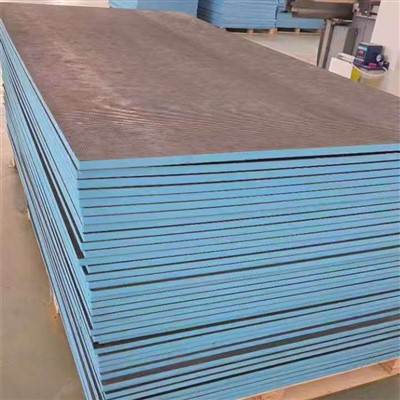
If you’re ready to talk about your specific project—whether you’re building a new wet bar, renovating an old one, or just have questions about how our backer board works for your space—we’re here to help. We can work with you on custom dimensions, send samples for you to test, and walk you through the entire process from order to installation. Don’t leave your wet bar vulnerable to moisture damage—invest in a product that’s built for the space, not the hardware store shelf.
Waterproof Backer Board References
- U.S. Environmental Protection Agency. (2023). Mold Prevention and Remediation in Residential Spaces.
- International Code Council. (2022). Residential Building Code: Moisture Control for Wet Areas.
- Backer Board Manufacturer Association. (2021). Performance Standards for Waterproof Backer Boards in High-Moisture Applications.
- Journal of Construction Materials and Systems. (2020). Comparative Durability of Porous vs. Non-Porous Backer Boards in Residential Wet Bar Installations.
Address: Zhongze Village, Baohai Town, Tiantai County, Taizhou City, Zhejiang Province
E-mail: 906915688@qq.com
WebSite: https://www.yhhold.com/
