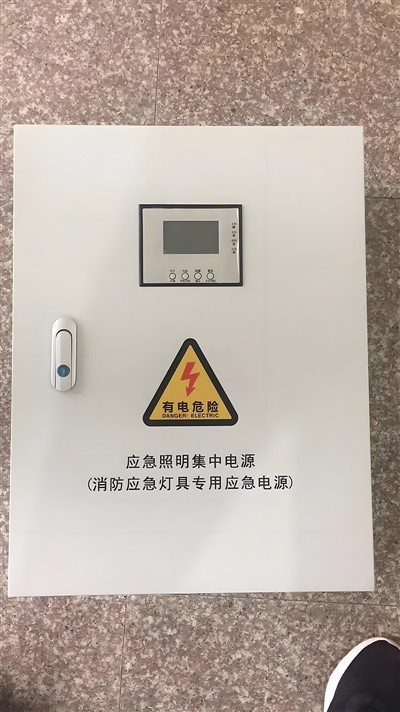
In my role as a supplier of Low – Voltage (Lv) Distribution Boards, I’ve witnessed firsthand the critical importance of understanding the environmental requirements for these essential electrical devices. An Lv Distribution Board serves as a central hub in electrical systems, dividing an incoming electrical power feed into multiple sub – circuits, each protected by a circuit breaker or fuse. Ensuring that these distribution boards operate effectively and safely largely depends on the environment in which they are installed. Lv Distribution Board
Temperature Requirements
Temperature is one of the most fundamental environmental factors affecting an Lv Distribution Board. Electrical components within the board generate heat during normal operation. If the ambient temperature is too high, it can exacerbate this heat generation, leading to reduced component lifespan and potential malfunctions.
For most standard Lv Distribution Boards, the recommended ambient temperature range is between – 5°C to 40°C. When the temperature exceeds 40°C, the insulation materials of the electrical components can degrade at an accelerated rate. Over time, this can cause short – circuits or other electrical faults. In extreme cases, it may even lead to overheating and pose a fire hazard.
On the other hand, extremely low temperatures can also cause problems. Below – 5°C, the flexibility of insulation materials decreases, increasing the risk of cracks. Additionally, the performance of some electrical components, such as batteries in backup power systems and certain types of capacitors, can be severely affected in cold environments.
To meet these temperature requirements, proper ventilation systems should be in place. Natural ventilation through louvers or forced ventilation using fans can help dissipate the heat generated inside the distribution board. In industrial settings with high – heat environments, additional cooling mechanisms like air – conditioning units may be needed to maintain the optimal temperature range.
Humidity and Moisture Levels
Humidity and moisture can have a detrimental impact on the performance of an Lv Distribution Board. High humidity levels can lead to condensation inside the board. When water droplets form on electrical components, they can cause corrosion, short – circuits, and electrical failures.
The ideal relative humidity range for an Lv Distribution Board is typically between 5% and 95% (non – condensing). In environments with high humidity, such as coastal areas or industrial facilities with water – intensive processes, special precautions must be taken.
Firstly, the distribution board should be enclosed in a weather – proof or dust – tight enclosure. These enclosures are typically made of materials like stainless steel or fiberglass, which offer good resistance to moisture ingress. Additionally, desiccant bags can be placed inside the enclosure to absorb any excess moisture.
In cases where the risk of condensation is high, such as in areas with large temperature fluctuations, a heater can be installed inside the distribution board. The heater helps to keep the internal temperature slightly above the dew point, preventing condensation from occurring.
Chemical and Dust Exposure
In some industrial and commercial environments, Lv Distribution Boards may be exposed to various chemicals and dust particles. Chemicals can corrode the metal parts of the distribution board, including busbars, circuit breakers, and enclosures. Dust can accumulate on electrical components, reducing their performance and potentially causing overheating.
In industrial settings like chemical plants or mining operations, the distribution board may be exposed to corrosive gases such as sulfur dioxide, hydrogen sulfide, or chlorides. These gases can react with the metal surfaces, leading to rust and degradation. To protect against chemical exposure, the distribution board should be coated with a corrosion – resistant material. For example, epoxy coatings can provide a good barrier against many types of chemicals.
Dust exposure is also a concern, especially in manufacturing plants or construction sites. Fine dust particles can enter the distribution board through small openings and accumulate on electrical contacts. This can increase the contact resistance, leading to overheating and potential contact failures. To prevent dust ingress, the distribution board should have a sealed enclosure. Gaskets and seals around doors and access panels can help to keep dust out.
Altitude and Pressure
The altitude at which an Lv Distribution Board is installed also affects its performance. As altitude increases, the air pressure decreases, and the cooling effect of natural convection is reduced. This means that the heat dissipation capacity of the distribution board is lower at higher altitudes.
Most standard Lv Distribution Boards are designed for use at altitudes up to 2000 meters. At altitudes above 2000 meters, derating of the distribution board may be required. Derating involves reducing the rated current capacity of the board to compensate for the reduced cooling efficiency.
For example, if a distribution board is rated for 1000 amps at sea – level, at an altitude of 3000 meters, its rated current capacity may need to be reduced to 900 amps or less. This ensures that the board does not overheat and operates safely.
Vibration and Shock
In some industrial applications, Lv Distribution Boards may be exposed to vibration and shock. For example, in manufacturing plants with heavy machinery or in marine environments with rough seas, the distribution board can experience significant vibrations.
Vibration can cause mechanical components inside the distribution board to loosen. This includes connections between busbars, circuit breakers, and other electrical components. Loose connections can lead to increased contact resistance, overheating, and potential electrical failures.
To protect against vibration and shock, the distribution board should be securely mounted. Anti – vibration mounts can be used to isolate the board from the source of vibration. Additionally, all internal components should be properly secured using screws, clamps, or other fastening methods.
Importance of Meeting Environmental Requirements
Meeting the environmental requirements for an Lv Distribution Board is not just about ensuring its proper operation. It also has significant implications for safety and compliance. Electrical failures in distribution boards can lead to power outages, equipment damage, and even pose a risk to human life.
By adhering to the environmental requirements, we can extend the lifespan of the distribution board, reduce maintenance costs, and minimize the risk of electrical accidents. Moreover, in many industries, compliance with environmental standards is mandatory. Failure to meet these standards can result in legal penalties and damage to a company’s reputation.
How Our Company Can Help
As a supplier of Lv Distribution Boards, we understand the diverse environmental challenges that our customers face. We offer a wide range of distribution boards that are designed to meet various environmental requirements. Our products are available in different enclosures, including weather – proof, dust – tight, and corrosion – resistant options.
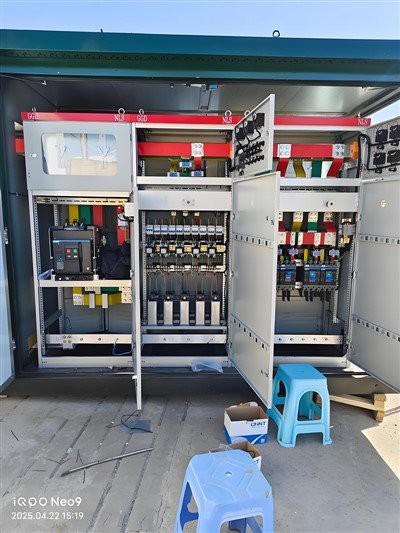
We also provide customized solutions based on the specific needs of our customers. Whether it’s for a high – humidity coastal area, a high – altitude mountainous region, or an industrial environment with chemical exposure, our team of experts can design and manufacture a distribution board that meets your exact requirements.
Secondary Distribution Box If you are in the market for an Lv Distribution Board and want to ensure that it can withstand the environmental conditions of your installation site, we invite you to contact us. We are ready to discuss your project, provide technical advice, and offer a competitive quote. Our goal is to provide you with a reliable and safe electrical solution that meets all your needs.
References
- Electrical Installation Guide, International Electrotechnical Commission (IEC)
- National Electrical Code (NEC), National Fire Protection Association (NFPA)
- Standards for Low – Voltage Switchgear and Controlgear Assemblies, Institute of Electrical and Electronics Engineers (IEEE)
Anhui Nanxian Electric Co., Ltd.
With abundant experience, we are one of the most professional lv distribution board manufacturers and suppliers in China. We warmly welcome you to buy advanced lv distribution board for sale here and get quotation from our factory. All customized products are with high quality and low price.
Address: Factory Unit 03-2, Building 21, Feidong Yinfeng Industrial Park Co., Ltd., Northeast Corner of Manquan Road and Changle Road, Hefei Circular Economy Demonstration Park, Feidong County, Hefei City, Anhui Province.
E-mail: 541580567@qq.com
WebSite: https://www.nxelepower.com/
