Transporting an electric furnace safely is a crucial task that demands careful planning and execution. As a reputable electric furnace supplier, I’ve witnessed firsthand the significance of proper transportation procedures. In this blog, I’ll share valuable insights and practical tips on how to ensure the safe transport of electric furnaces, drawing from my years of experience in the industry. Electric Furnace
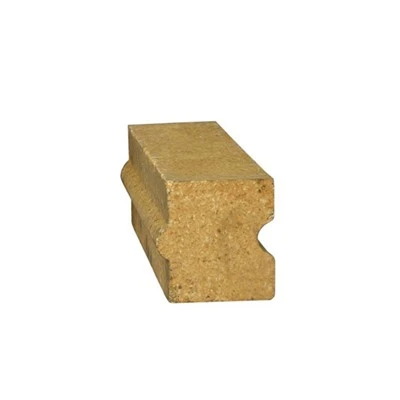
Understanding the Electric Furnace
Before delving into the transportation process, it’s essential to understand the basic components and characteristics of an electric furnace. Electric furnaces are complex and heavy equipment that typically consists of an enclosure, heating elements, control systems, and insulation materials. They are designed to operate at high temperatures, which means they require special handling to prevent damage during transit.
The enclosure of an electric furnace is usually made of steel or other durable materials to withstand the heat and mechanical stress. The heating elements, which can be made of various materials such as nichrome or silicon carbide, are responsible for generating heat. The control system regulates the temperature and other operating parameters of the furnace. Insulation materials are used to minimize heat loss and protect the surrounding environment.
Pre – transport Preparation
Proper pre – transport preparation is the foundation of safe electric furnace transportation.
- Inspection: Begin by conducting a thorough inspection of the electric furnace. Check for any signs of damage, loose components, or malfunctions. Ensure that all electrical connections are secure and that the furnace is in good working condition before it leaves the manufacturing facility or storage area. Any existing issues should be addressed immediately to avoid complications during transit.
- Documentation: Gather all the necessary documentation related to the electric furnace. This includes the user manual, technical specifications, warranty information, and any other relevant paperwork. The documentation will not only assist the transportation team in handling the furnace correctly but may also be required for customs clearance if the furnace is being transported internationally.
- Disassembly (if necessary): In some cases, it may be advisable to disassemble the electric furnace into smaller, more manageable parts. This can reduce the overall size and weight of the shipment, making it easier to handle and transport. However, disassembly should only be done if it is safe and does not interfere with the proper functioning of the furnace. When disassembling, carefully label all the parts and keep track of the assembly sequence to facilitate reassembly at the destination.
- Packaging: Select appropriate packaging materials to protect the electric furnace during transit. The packaging should be strong enough to withstand the rigors of transportation, including vibrations, shocks, and changes in temperature and humidity. Foam, cardboard, and wooden crates are commonly used packaging materials. The furnace should be carefully wrapped in foam to cushion it from impacts, and then placed in a sturdy cardboard box or wooden crate. The package should be clearly labeled with handling instructions, such as "This Side Up" and "Fragile".
Choosing the Right Transportation Method
Selecting the appropriate transportation method is a critical decision that can significantly impact the safety of the electric furnace.
- Ground Transportation: For local or regional deliveries, ground transportation is often the most practical option. Trucks are commonly used to transport electric furnaces. When choosing a trucking company, look for one with experience in handling heavy and bulky equipment. The truck should be equipped with a secure flatbed or a trailer with proper tie – down points to prevent the furnace from shifting during transit. Ensure that the truck driver is aware of the special handling requirements of the electric furnace and has the necessary skills and training to transport it safely.
- Rail Transportation: Rail transportation can be a cost – effective option for long – distance shipments. However, it may require additional handling and transfer, which increases the risk of damage. If rail transportation is chosen, the electric furnace should be properly secured in a railcar and protected from the elements. It’s important to work with a reliable rail freight provider that has a good track record of transporting heavy machinery.
- Air Transportation: Air transportation is the fastest option, but it is also the most expensive. It is typically used for urgent or high – value shipments. Electric furnaces should be carefully packaged to meet the requirements of air cargo carriers. They may need to be disassembled to fit into the cargo hold of an aircraft. Special attention should be given to the weight and size restrictions imposed by the airline.
Securing the Electric Furnace for Transport
Properly securing the electric furnace is essential to prevent it from moving or shifting during transit, which can cause damage.
- Tie – Downs: Use high – quality tie – down straps to secure the electric furnace to the transportation vehicle. The tie – downs should be strong enough to withstand the forces exerted during acceleration, braking, and turning. They should be attached to the designated tie – down points on the furnace and the vehicle. Make sure the tie – downs are tightened properly to prevent any slack.
- Padding and Bracing: In addition to tie – downs, use padding and bracing materials to provide additional protection. Foam pads can be placed between the furnace and the sides of the truck or crate to absorb shocks and vibrations. Wooden braces can be used to prevent the furnace from tipping over or moving sideways.
- Center of Gravity: Pay attention to the center of gravity of the electric furnace when loading it onto the transportation vehicle. The furnace should be positioned in such a way that its center of gravity is stable. This will help prevent the vehicle from becoming unbalanced and reduce the risk of accidents during transit.
In – transit Monitoring
During transit, it’s important to monitor the condition of the electric furnace to ensure its safety.
- Tracking: Use a tracking system to keep an eye on the location of the shipment. Many transportation companies offer real – time tracking services that allow you to monitor the progress of the delivery. This can help you anticipate any delays or issues and take appropriate action if necessary.
- Temperature and Humidity Sensors: Install temperature and humidity sensors on the electric furnace or inside the package. These sensors can provide valuable information about the environmental conditions during transit. Extreme temperatures or high humidity can damage the furnace’s electrical components and insulation. If the sensors detect any abnormal conditions, the transportation team can take steps to address them.
- Communication: Maintain regular communication with the transportation team. Provide them with any additional instructions or information they may need. If there are any changes in the delivery schedule or route, make sure to notify them in a timely manner.
Unloading and Reassembly
Once the electric furnace reaches its destination, proper unloading and reassembly procedures are required to ensure its continued safe use.
- Unloading: Unload the electric furnace carefully using appropriate equipment such as forklifts or cranes. The unloading area should be flat, stable, and clear of any obstacles. Follow the same safety precautions as during loading to prevent damage to the furnace.
- Reassembly: If the furnace was disassembled for transportation, follow the assembly instructions provided in the user manual to reassemble it correctly. Check all the connections and components to ensure they are properly installed. Conduct a final inspection and test the furnace before putting it into operation.
Final Words

Transporting an electric furnace safely requires meticulous planning, attention to detail, and a commitment to following best practices. As an electric furnace supplier, I am dedicated to providing our customers with high – quality products and ensuring their safe delivery. By following the tips outlined in this blog, you can minimize the risk of damage to your electric furnace during transportation and ensure its reliable performance at the destination.
Crucible Furnace If you are in the market for an electric furnace or have any questions about our products or the transportation process, I encourage you to reach out to us. We are happy to assist you with your purchase and provide you with the support you need to transport your electric furnace safely.
References
- "Industrial Furnace Handbook: Technology and Fundamentals" by W. Trinks and S. J. Kennel.
- "Handbook of Thermal Process Metallurgy" edited by Y. Sahai and A. C. Fabich.
- Various industry standards and guidelines related to the transportation of heavy equipment.
Danyang Dingfeng Industrial Furnace Co., Ltd.
Danyang Dingfeng Industrial Furnace Co., Ltd. is one of the most experienced electric furnace manufacturers and suppliers in China, also supports customized service with low price. Please feel free to wholesale high quality electric furnace made in China here from our factory. For pricelist, contact us now.
Address: Lizhuang Economic Development Zone, Danyang City
E-mail: saleszk@dffurnace.com
WebSite: https://www.dffurnace.com/
