As a supplier of Carbon Fiber Road Forks, I’ve had numerous conversations with cycling enthusiasts and professionals about the impact of our products on the overall weight of a bike. In the world of cycling, weight is not just a number; it’s a crucial factor that can significantly influence performance, including speed, acceleration, and handling. In this blog, I will delve into how a carbon fiber road fork affects the overall weight of the bike and why this matters to cyclists. Carbon Fiber Road Fork

Understanding the Basics: Why Weight Matters in Cycling
Before we discuss the specific impact of a carbon fiber road fork, it’s essential to understand why weight is such a critical consideration in cycling. Every cyclist, whether a casual rider or a professional racer, wants to achieve the best possible performance. A lighter bike generally means less effort is required to accelerate, maintain speed, and climb hills. It can also enhance the bike’s handling and maneuverability, making it easier to control in various riding conditions.
When it comes to racing, the difference of a few hundred grams can be the difference between winning and losing. For everyday cyclists, a lighter bike can make rides more enjoyable, allowing them to cover longer distances with less fatigue. Therefore, every component of the bike, including the fork, plays a role in achieving the optimal weight for the best performance.
The Role of the Fork in the Bike’s Overall Weight
The fork is a vital part of the bike’s front end, connecting the front wheel to the frame and supporting the handlebars. It plays a crucial role in steering, shock absorption, and overall stability. In terms of weight, the fork can contribute a significant portion of the bike’s total weight, especially when compared to other components like the pedals or the chain.
Traditional forks are often made of steel or aluminum. Steel forks are known for their durability and smooth ride quality, but they are also relatively heavy. Aluminum forks, on the other hand, are lighter than steel, but they may lack the same level of shock absorption and comfort. Carbon fiber forks, however, offer a unique combination of light weight, strength, and performance.
How Carbon Fiber Road Forks Are Lighter
Carbon fiber is a composite material made up of carbon fibers embedded in a resin matrix. This material has several properties that make it ideal for use in bike forks. Firstly, carbon fiber has a very high strength – to – weight ratio. It can be engineered to be incredibly strong while still being much lighter than steel or aluminum.
During the manufacturing process of carbon fiber road forks, the carbon fibers are carefully arranged and layered in specific orientations to maximize strength and stiffness in the areas where it’s needed most. This allows for a more efficient use of material, reducing unnecessary weight. For example, the blades of the fork can be designed to be thinner and lighter without sacrificing their ability to withstand the forces exerted during riding.
In addition, carbon fiber can be molded into complex shapes that are optimized for performance. This means that the fork can be designed to have a streamlined profile, which not only reduces weight but also improves aerodynamics. Compared to traditional metal forks with more straightforward shapes, carbon fiber forks can shave off a significant amount of weight.
Quantifying the Weight Savings
The actual weight savings of a carbon fiber road fork compared to a steel or aluminum fork can vary depending on the specific models and designs. On average, a carbon fiber road fork can weigh anywhere from 300 to 500 grams less than an equivalent steel fork. When compared to an aluminum fork, the weight savings may be slightly less, typically around 100 to 200 grams.
To put this into perspective, let’s consider a typical road bike. If a steel fork weighs around 700 grams and a carbon fiber fork weighs around 350 grams, the weight savings of 350 grams can have a noticeable impact on the bike’s overall performance. Over a long – distance ride or a race, this reduction in weight can translate into less energy expenditure for the cyclist.
Other Benefits of Carbon Fiber Road Forks Beyond Weight
While weight savings are a significant advantage of carbon fiber road forks, they also offer other benefits that contribute to the overall performance of the bike. One of the key benefits is shock absorption. Carbon fiber has the ability to dampen vibrations and shocks from the road, providing a smoother and more comfortable ride. This is especially important on rough or uneven surfaces, where a traditional metal fork may transmit more vibrations to the rider.
Another benefit is stiffness. Carbon fiber forks can be designed to have a high degree of stiffness in the steering axis, which improves the bike’s handling and responsiveness. This means that the bike can be more precisely controlled, especially during high – speed descents or tight turns.
Impact on Different Types of Riders
The impact of a carbon fiber road fork on the overall weight of the bike can vary depending on the type of rider. For professional racers, every gram counts. A lighter bike can give them a competitive edge, allowing them to accelerate faster, climb hills more easily, and maintain higher speeds. In a sport where races are often decided by a matter of seconds, the weight savings provided by a carbon fiber road fork can be a game – changer.
For recreational cyclists, the weight savings may not be as critical in terms of performance. However, a lighter bike can still make rides more enjoyable. It can reduce fatigue, especially on long rides, and make it easier to handle the bike, particularly when maneuvering in traffic or on narrow paths.
Considerations When Choosing a Carbon Fiber Road Fork
When choosing a carbon fiber road fork, there are several factors to consider beyond just weight. One important factor is compatibility with the bike’s frame. The fork must have the correct steerer tube diameter and length to fit the frame properly. It’s also important to consider the fork’s rake, which affects the bike’s handling characteristics.
Another consideration is the quality of the carbon fiber and the manufacturing process. High – quality carbon fiber forks are made using advanced techniques and materials to ensure strength, durability, and performance. It’s important to choose a fork from a reputable supplier that can provide reliable products.
Conclusion
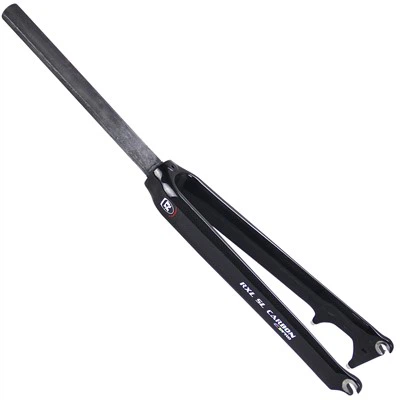
In conclusion, a carbon fiber road fork can have a significant impact on the overall weight of the bike. By offering substantial weight savings compared to traditional steel or aluminum forks, carbon fiber forks can enhance the bike’s performance, making it faster, more agile, and more comfortable to ride. Whether you’re a professional racer looking for every possible advantage or a recreational cyclist seeking a more enjoyable ride, a carbon fiber road fork is a worthy investment.
3D Printed Bicycle Saddle If you’re interested in learning more about our Carbon Fiber Road Forks or are considering purchasing them for your bikes, please feel free to reach out to us for further discussions. We’re here to provide you with the best products and services to meet your cycling needs.
References
- "Bicycling Science" by David Gordon Wilson
- "The Cycling Revolution" by Robert Hurst
- Industry reports on carbon fiber materials in cycling components
Hunan Yecheng Technology Co., Ltd.
We’re well-known as one of the leading carbon fiber road fork manufacturers and suppliers in China, also support customized service. Please feel free to buy high quality carbon fiber road fork for sale here from our factory. For more information, contact us now.
Address: Changsha, Hunan Province, China.
E-mail: info@rxlsl.com
WebSite: https://www.rxlsl.com/
