Therapeutic peptides, short chains of amino acids with specific biological functions, have been making waves in the field of human medicine. Their potential to treat a wide range of conditions, from metabolic disorders to cancer, has been well – documented. But the question that naturally arises is: Can therapeutic peptides be used in veterinary medicine? As a supplier of therapeutic peptides, I’ve delved deep into this topic, and I’m excited to share my insights. Therapeutic Peptides
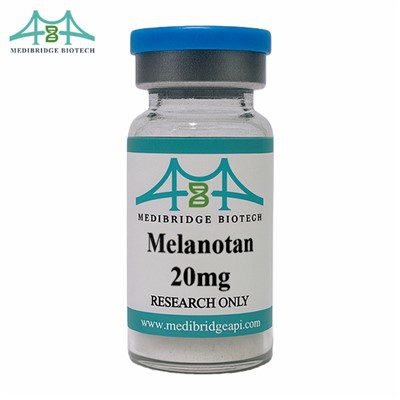
The Basics of Therapeutic Peptides
Before we explore their application in veterinary medicine, let’s briefly understand what therapeutic peptides are. Peptides are essentially small proteins, typically consisting of 2 – 50 amino acids. They can be naturally occurring or synthetically produced. Therapeutic peptides work by binding to specific receptors in the body, triggering a biological response. This ability to target specific pathways makes them highly attractive for medical applications.
Advantages of Therapeutic Peptides in Veterinary Medicine
High Specificity
One of the most significant advantages of therapeutic peptides is their high specificity. In veterinary medicine, this means that peptides can be designed to target specific diseases or conditions in animals. For example, in treating canine diabetes, a peptide can be engineered to mimic the action of insulin, providing a more targeted and effective treatment compared to traditional medications. This specificity also reduces the risk of off – target effects, minimizing side effects in animals.
Low Toxicity
Therapeutic peptides generally have low toxicity profiles. Since they are made up of amino acids, which are the building blocks of life, the body is more likely to tolerate them well. This is particularly important in veterinary medicine, as animals may be more sensitive to the side effects of drugs. For instance, when treating feline kidney disease, a peptide – based treatment can offer a safer alternative to some of the more toxic medications currently in use.
Ease of Modification
Peptides can be easily modified to enhance their stability, bioavailability, and efficacy. This flexibility allows veterinarians and researchers to tailor peptides to the specific needs of different animal species. For example, peptides can be modified to resist degradation in the digestive system, making them suitable for oral administration in animals.
Applications of Therapeutic Peptides in Veterinary Medicine
Treatment of Infectious Diseases
Infectious diseases are a major concern in veterinary medicine. Therapeutic peptides have shown promise in combating various pathogens. Some peptides have antibacterial properties, which can be used to treat bacterial infections in animals. For example, certain peptides can disrupt the cell membranes of bacteria, leading to their death. In addition, antiviral peptides can be designed to interfere with the replication of viruses, offering a new approach to treating viral diseases in animals.
Management of Chronic Conditions
Chronic conditions such as arthritis, heart disease, and obesity are common in animals. Therapeutic peptides can play a crucial role in managing these conditions. For example, in the treatment of arthritis, peptides can be used to reduce inflammation and pain. They can also stimulate the repair of damaged cartilage, improving the quality of life for arthritic animals. In the case of heart disease, peptides can help regulate heart function and improve blood circulation.
Cancer Treatment
Cancer is a growing problem in veterinary medicine. Therapeutic peptides offer a potential new avenue for cancer treatment in animals. Some peptides can target cancer cells specifically, either by inducing apoptosis (programmed cell death) or by inhibiting the growth and spread of tumors. For example, certain peptides can block the blood supply to tumors, starving them of nutrients and preventing their growth.
Challenges in Using Therapeutic Peptides in Veterinary Medicine
Cost
One of the main challenges in using therapeutic peptides in veterinary medicine is the cost. The production of therapeutic peptides can be expensive, which may limit their widespread use. However, as technology advances and production methods become more efficient, the cost is likely to decrease over time.
Regulatory Hurdles
The regulatory environment for veterinary drugs is complex. Therapeutic peptides need to go through rigorous testing and approval processes before they can be used in animals. This can be time – consuming and costly, which may slow down the development and adoption of peptide – based treatments in veterinary medicine.
Limited Research
Compared to human medicine, there is relatively limited research on the use of therapeutic peptides in veterinary medicine. More studies are needed to fully understand the safety and efficacy of these peptides in different animal species. This lack of research may also make it difficult for veterinarians to prescribe peptide – based treatments with confidence.
Our Role as a Therapeutic Peptides Supplier
As a supplier of therapeutic peptides, we are committed to supporting the development and use of these peptides in veterinary medicine. We offer a wide range of high – quality therapeutic peptides, which are produced using state – of – the – art technology. Our peptides are rigorously tested to ensure their purity, stability, and efficacy.
We also work closely with researchers and veterinarians to provide them with the necessary support and information. We can assist in the design and synthesis of custom peptides to meet the specific needs of different research projects and veterinary applications. In addition, we stay up – to – date with the latest research in the field of therapeutic peptides, and we are constantly exploring new opportunities for their use in veterinary medicine.
Conclusion
In conclusion, therapeutic peptides have great potential in veterinary medicine. Their high specificity, low toxicity, and ease of modification make them attractive candidates for the treatment of various diseases and conditions in animals. However, there are still challenges that need to be overcome, such as cost, regulatory hurdles, and limited research.

As a therapeutic peptides supplier, we believe that with continued research and development, therapeutic peptides will play an increasingly important role in veterinary medicine. We encourage veterinarians, researchers, and animal owners to explore the potential of these peptides and to consider them as a viable option for treating animal diseases.
APIs If you are interested in learning more about our therapeutic peptides or would like to discuss potential applications in veterinary medicine, we invite you to contact us. We look forward to the opportunity to work with you and contribute to the advancement of veterinary medicine through the use of therapeutic peptides.
References
- Alberts, B., Johnson, A., Lewis, J., Raff, M., Roberts, K., & Walter, P. (2002). Molecular Biology of the Cell. Garland Science.
- Craig, C. R., Stitzel, R. E., & Melmon, K. L. (1994). Modern Pharmacology with Clinical Applications. Lippincott Williams & Wilkins.
- Flecknell, P. (2009). Laboratory Animal Anaesthesia. Academic Press.
Shaanxi Medibridge Biotech Co., Ltd.
As one of the most professional therapeutic peptides manufacturers and suppliers in China, we also support customized service. Please feel free to buy discount therapeutic peptides for sale here and get pricelist from our factory. For price consultation, contact us.
Address:
E-mail: hi@medibridgeapi.com
WebSite: https://www.medibridgeapi.com/
