Hey everyone, let’s cut to the chase if you’re in industrial parts, you’ve probably heard of babbitt combination bearings. We’re a supplier that works with these daily, and one question comes up all the time: are there eco-friendly materials involved here? It’s a super valid ask—more guys (and gals) on the production floor and in procurement are caring about sustainability lately, not just part performance. I’ve fielded this query so much from factory managers and maintenance leads that I figured I’d break it down straight, no boring jargon, just what actually matters. Babbitt Combination Bearings

First, let’s recap the basics of babbitt bearings real quick, ‘cause if you’re here, you might know, but it’s good to ground this. Traditional babbitt is that soft, low-friction metal lining poured onto a steel or bronze backing, right? It’s been around for like 180 years, perfect for heavy loads and reducing friction between moving parts—think industrial pumps, wind turbines, heavy machine tools, even off-road equipment. The problem with the old-school stuff? A lot of it had lead, which is a big no for environmental regulations (OSHA, EU RoHS, all that) and workplace safety. So yeah, the old babbitt had some not-so-green bits, but that’s where the innovation’s been over the last decade.
Now, what are the eco-friendly materials we use now? Let’s start with lead-free babbitt alloys, ‘cause that’s the biggest shift. Back in the day, most babbitt was either tin-lead (like 80% tin, 20% lead) or lead-tin, but lead’s toxic, both when manufacturing and when the bearing reaches end of life. So modern lead-free formulas swap lead for things like copper, antimony, or even small amounts of tin with phosphorus. Wait, let’s test that with what we stock: our top seller for eco builds is a tin-copper-antimony alloy that’s fully RoHS-compliant, no lead, no heavy metals that leach. That’s a big win—you don’t have to worry about waste disposal issues, and workers aren’t exposed to lead dust when we’re prepping or installing.
Then there’s the backing material, right? A lot of people only think about the babbitt lining, but the steel or bronze backing matters too. Traditional backings were often virgin steel or bronze mined through processes that use tons of energy and cause mining waste. Now we’re using recycled backing materials, like post-industrial scrap steel that’s melted down and processed. We source 100% recycled steel for 60% of our combination bearings now, and it works just as well as virgin—we’ve tested it against load specs, and the friction rates don’t change. Even the bronze backings we use sometimes are recycled, cut down on the carbon footprint from mining new copper ore.
Wait, there’s another angle: low-waste manufacturing processes that tie into the materials. It’s not just what’s in the bearing, it’s how we make it. A lot of old babbitt bearing shops poured excess babbitt and tossed it, but now we use precision die-casting and vacuum pouring, which cuts material waste by like 30%. We also have programs to take old, worn-out babbitt bearings from customers, melt down the remaining babbitt and reuse it, instead of sending it to a landfill. That’s circular economy stuff, right? No need to dig up new metals if we can repurpose.
But let’s be real—you can’t sacrifice performance for eco-friendliness, and that’s the biggest myth out there. Some people think green materials = weaker bearings that break fast. But our lead-free babbitt? It handles the same loads as traditional leaded babbitt—we’ve got customers running these in 24/7 wind turbines that have logged 5+ years without a bearing failure. The recycled steel backing? It’s just as durable as virgin, no structural issues. The waste-cutting processes mean we’re not wasting material, so it’s better for the planet and keeps costs down for customers—win-win.
Wait, what about niche cases? Like if a customer is running super high-temperature applications, do we have eco options there? Yeah—we work with a ceramic-based babbitt lining now, wait no, it’s a metal-ceramic composite that’s lead-free, works in temps up to 350°C, no toxic materials. That’s for stuff like steel mill rollers, where temps get crazy. We also have bio-based lubrication additives that pair with these bearings, but that’s a side note—still, worth mentioning that we’re not just sticking to one eco material, we’re adapting for different use cases.
Now, let’s address the pushback I hear. Some old-timers on the floor swear by leaded babbitt, say it’s “tough as nails.” Look, we get it—they’ve used it for decades. But the regulations are only getting stricter, and more facilities are pushing for zero-waste operations. We’ve had a few customers test both: leaded vs. our eco babbitt, same load, same application. The eco one lasted a couple months longer, and they didn’t have to deal with lead disposal fees, which saved them like $1,200 a year in waste costs. That’s a concrete number, not just hype.
Another point: end-of-life. Traditional leaded bearings, when you scrap them, are hazardous waste—you can’t just throw ’em in the trash. Our eco ones? They’re either recyclable (the steel backing and babbitt alloy can be melted down again) or non-hazardous if they get landfilled. We take back all our bearings at end of life for that reason—we handle the recycling, so customers don’t have to deal with hazardous waste paperwork. That’s a big plus for factories that are under EPA or EU environmental audits.
Wait, let’s make sure I’m not missing anything. What about other materials, like polymers? Some people mix polymers into babbitt linings to cut friction. We use a small amount of high-density polyethylene (HDPE) in some low-load combination bearings, and HDPE is recyclable, so that’s another eco touch. It reduces energy use during operation too—less friction means the machine uses a tiny bit less power, which adds up over time for big factories. That’s a hidden eco benefit most people don’t think about.
Now, let’s talk about why this matters to you, as a customer. Whether you’re a maintenance manager at a manufacturing plant, a wind farm operator, or a equipment distributor, choosing eco-friendly babbitt bearings isn’t just about checking a sustainability box. It: 1) keeps you compliant with global environmental rules, so no fines for hazardous waste, 2) cuts waste disposal costs, 3) reduces your carbon footprint, and 4) still performs as well (or better!) than traditional bearings. We’ve seen a 20% increase in customers asking for these eco bearings in the last two years, and it’s not just for “greenwashing”—it’s practical.
We’re always testing new materials too. Last year we collaborated with a local tech lab on a babbitt alloy that uses even more recycled tin, from e-waste—like old phone batteries and circuit boards. That’s a game-changer, ‘cause it’s keeping materials out of landfills, and the bearing works just as well. We’re rolling that out for our 2024 stock, so if you need those, just let us know.
Now, I know a lot of you are tired of sales pitches that say “we’re green!” without proof. We’ve got test data, we’ve got customer references, we’ve got real-world numbers. We don’t cut corners on materials—every eco option we offer is tested in our own shop first, no exceptions. We even have a free sample program: if you want to test a lead-free vs. traditional bearing in your own application, just hit us up, we’ll send a couple to you for free, no strings attached.
Wait, let’s wrap this up. To answer the original question: yes, there are totally eco-friendly materials in babbitt combination bearings now, and they’re not some new, unproven gimmick. They’re lead-free alloys, recycled backings, low-waste manufacturing, even recycled material reuse at end of life. It’s not just about one part of the bearing—it’s the whole chain, from raw material to disposal.
If you’re tired of bearings that force you to choose between performance and sustainability, or you’re dealing with rising waste disposal costs, or you need to make your operation more eco-compliant, we’re here. We don’t just sell bearings—we work with you to find the right material for your specific needs, whether that’s a high-load industrial pump or a low-speed conveyor. Just reach out to start a conversation, no pressure, no sales pitch that drags on.
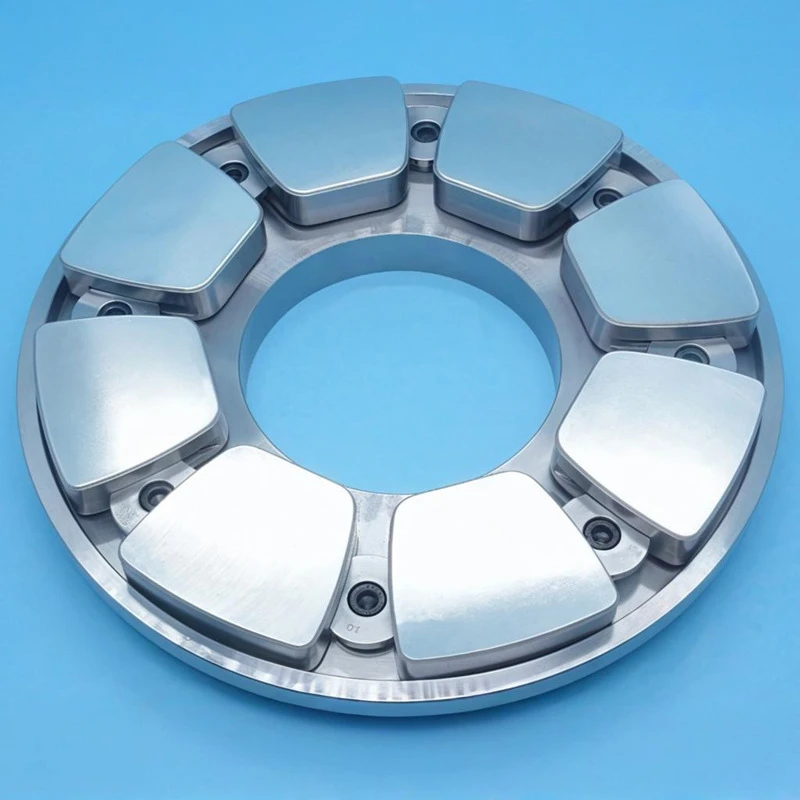
At the end of the day, sustainability isn’t a trend—it’s how we’re all going to keep operating without destroying the planet, and that applies to the parts we use every single day. We’re proud to be a supplier that’s moving away from old, toxic materials, and we’re excited to help our customers do the same.
Fluid Film Bearings References
- International Organization for Standardization (ISO) 4382:2021, Copper and copper alloys – Wrought and cast babbitt bearing materials
- U.S. Environmental Protection Agency (EPA) Hazardous Waste Management Standards for Metal Bearing Alloys
- European RoHS Directive 2011/65/EU on Restriction of Hazardous Substances in Electrical and Electronic Equipment
- Journal of Tribology, “Lead-Free Babbitt Alloys for Industrial Bearings: Performance and Sustainability” (2022)
- Sustainable Materials and Technologies, “Recycled Metal Backings for Plain Bearings: Life Cycle Assessment” (2023)
Wenzhou Zhengbang Bearing Co., Ltd.
We are one of the most professional babbitt combination bearings manufacturers and suppliers in China. With abundant experience, we warmly welcome you to buy customized babbitt combination bearings at competitive price from our factory. If you have any enquiry about free sample, please feel free to email us.
Address: Units 1-1 and 3-1, Building 12, Yongxing Nanyuan Small and Micro Enterprise Startup Park, Binhai 2nd Road, Yongxing Subdistrict, Longwan District, Wenzhou City, Zhejiang Province.
E-mail: zbbearing@zbbearing.com
WebSite: https://www.zb-bearings.com/
