As a supplier of motor shafts, I’ve witnessed firsthand the critical role that motor shaft collars play in various mechanical systems. In this blog post, I’ll delve into the functions, types, and importance of motor shaft collars, shedding light on their indispensable nature in the world of motor applications. Motor Shaft
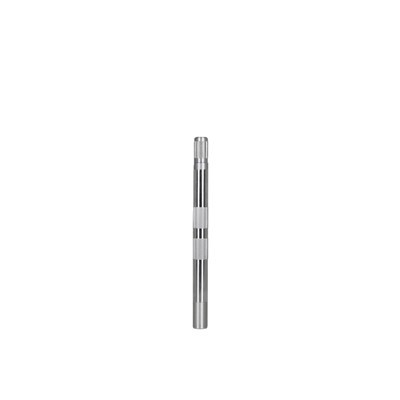
Functions of Motor Shaft Collars
1. Positioning Components
One of the primary functions of a motor shaft collar is to position other components accurately along the shaft. In a motor-driven system, there are often multiple parts such as pulleys, gears, and sprockets that need to be placed at specific locations on the shaft. A shaft collar acts as a stop, preventing these components from sliding or shifting out of place during operation. For example, in a conveyor belt system, the sprockets that drive the belt are secured in position by shaft collars. This ensures that the belt runs smoothly and that power is transmitted efficiently from the motor to the belt.
2. Axial Load Transmission
Motor shaft collars also play a crucial role in transmitting axial loads. Axial loads are forces that act parallel to the axis of the shaft. When a motor is in operation, it generates torque that causes the shaft to rotate. This rotation can create axial forces, especially if the load on the motor is not evenly distributed. Shaft collars help to transfer these axial loads from the rotating shaft to other components in the system, such as bearings or housings. By doing so, they prevent the shaft from moving axially, which could lead to misalignment and premature wear of the motor and other components.
3. Shaft Protection
Another important function of motor shaft collars is to protect the shaft from damage. In many applications, the shaft is exposed to various environmental factors such as dust, dirt, and moisture. These contaminants can cause corrosion and wear on the shaft surface, reducing its lifespan and performance. Shaft collars can act as a barrier, preventing these contaminants from reaching the shaft. Additionally, they can protect the shaft from physical damage caused by impacts or vibrations. For instance, in a high-speed motor application, the shaft is subject to significant vibrations. A well-designed shaft collar can help to absorb these vibrations and protect the shaft from fatigue and failure.
Types of Motor Shaft Collars
1. Set Screw Collars
Set screw collars are the most basic type of motor shaft collar. They consist of a simple ring with a set screw that is tightened against the shaft to secure the collar in place. Set screw collars are easy to install and remove, making them a popular choice for many applications. However, they can mar the shaft surface if the set screw is tightened too much, which can affect the performance and lifespan of the shaft. Therefore, set screw collars are typically used in applications where the shaft is not critical or where the collar does not need to be removed frequently.
2. Clamp-Style Collars
Clamp-style collars, also known as split collars, are a more advanced type of motor shaft collar. They consist of a ring that is split into two halves and is tightened around the shaft using bolts or screws. Clamp-style collars provide a more secure and uniform grip on the shaft compared to set screw collars. They do not mar the shaft surface, making them suitable for applications where the shaft needs to be reused or where the collar needs to be removed and reinstalled frequently. Clamp-style collars are commonly used in precision machinery and high-performance motor applications.
3. Step Collars
Step collars are a specialized type of motor shaft collar that is designed to accommodate shaft diameters that change along the length of the shaft. They have a stepped profile that allows them to fit snugly on shafts with different diameters. Step collars are often used in applications where the shaft needs to support components with different bore sizes or where the shaft needs to be reduced in diameter at a specific location.
4. Flanged Collars
Flanged collars have a flange or lip on one end that provides additional support and stability. They are used in applications where the collar needs to be attached to a housing or other stationary component. Flanged collars can help to prevent the shaft from moving axially and can also provide a mounting surface for other components. They are commonly used in automotive and industrial applications.
Importance of Quality Motor Shaft Collars
1. Reliability
In any motor-driven system, reliability is of utmost importance. A faulty or poorly designed shaft collar can lead to component failure, downtime, and costly repairs. High-quality motor shaft collars are designed and manufactured to meet strict quality standards, ensuring that they can withstand the rigors of continuous operation. They are made from durable materials such as steel, aluminum, or stainless steel, which provide excellent strength and corrosion resistance. By using high-quality shaft collars, you can minimize the risk of system failures and ensure the reliable operation of your motor-driven equipment.
2. Performance
The performance of a motor-driven system is directly affected by the quality of its components, including the shaft collar. A well-designed shaft collar can help to optimize the performance of the motor by ensuring that the components are properly positioned and that the axial loads are transmitted efficiently. This can result in improved power transmission, reduced vibration, and increased operating efficiency. In high-speed applications, the use of high-quality shaft collars can also help to reduce noise and prevent premature wear of the shaft and other components.
3. Safety
Safety is another critical factor in any motor-driven system. A loose or malfunctioning shaft collar can pose a serious safety hazard, as it can cause components to come loose or shift during operation. This can lead to equipment damage, injury to personnel, and even accidents. High-quality motor shaft collars are designed and tested to ensure that they meet strict safety standards. They are installed securely on the shaft and provide a reliable means of preventing component movement, helping to protect both the equipment and the people who operate it.
Conclusion

In conclusion, motor shaft collars play a vital role in the proper functioning of motor-driven systems. They are essential for positioning components, transmitting axial loads, protecting the shaft, and ensuring the reliability, performance, and safety of the system. As a supplier of motor shafts, I understand the importance of providing high-quality shaft collars that meet the specific needs of our customers. Whether you need set screw collars, clamp-style collars, step collars, or flanged collars, we have the expertise and resources to provide you with the right solution.
Machined Part If you are in the market for motor shaft collars or have any questions about our products, please don’t hesitate to contact us. We are committed to providing our customers with the best possible products and services, and we look forward to the opportunity to work with you.
References
- Budynas, R. G., & Nisbett, J. K. (2011). Shigley’s Mechanical Engineering Design. McGraw-Hill.
- Nikravesh, P. E. (2011). Computational Kinematics. Springer.
- Spotts, M. F., Shoup, T. E., & Miller, W. S. (2011). Design of Machine Elements. Prentice Hall.
Ningbo Uni-drive Technology Co., Ltd.
Ningbo Uni-drive Technology Co., Ltd. is one of the most professional motor shaft manufacturers and suppliers in China. Please feel free to buy cheap motor shaft made in China here and get pricelist from our factory. All customized products are with high quality and competitive price.
Address: Industrial Site No. 6, Jingtou Village, Sanqi Town, Yuyao City, Zhejiang Province
E-mail: admin@uni-drive.com.cn
WebSite: https://www.motordriveshaft.com/
