Yo, what’s up everyone! I’m a supplier of Nonionic Polyacrylamide (NPAM), and today I wanna chat about the relationship between the ionic strength of water and the performance of NPAM. It’s a topic that might seem a bit technical at first, but trust me, it’s super important for anyone using or thinking about using NPAM. Nonionic Polyacrylamide
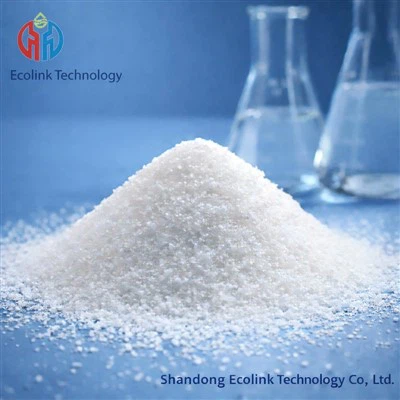
First off, let’s talk about what NPAM is. Nonionic Polyacrylamide is a water-soluble polymer that’s widely used in a bunch of industries. It’s great for things like water treatment, papermaking, and oil recovery. In water treatment, for example, it helps to flocculate suspended particles, making it easier to separate them from the water. This can improve the quality of the water and reduce the amount of pollutants.
Now, onto the ionic strength of water. Ionic strength is basically a measure of the concentration of ions in water. These ions can come from a variety of sources, like salts that dissolve in the water. When you have a high ionic strength, there are a lot of ions floating around in the water. When it’s low, there aren’t as many.
So, how does the ionic strength of water affect the performance of NPAM? Well, it all comes down to the way NPAM interacts with the water and the particles in it. NPAM has long polymer chains, and these chains can form bridges between particles, causing them to clump together. This is the flocculation process.
When the ionic strength is low, the polymer chains of NPAM are more likely to stretch out in the water. This allows them to better interact with the particles and form stronger bridges. As a result, the flocculation performance is usually better. The clumps of particles are bigger and heavier, and they settle out of the water more quickly.
On the other hand, when the ionic strength is high, things get a bit more complicated. The ions in the water can interact with the polymer chains of NPAM. They can cause the chains to coil up, reducing their ability to form bridges between particles. This means that the flocculation performance might not be as good. The clumps of particles might be smaller and lighter, and they might take longer to settle out of the water.
But it’s not all bad news when the ionic strength is high. In some cases, a certain level of ionic strength can actually be beneficial. For example, a small amount of salt can help to neutralize the surface charges of the particles, making it easier for the NPAM to attach to them. This can improve the initial flocculation rate. However, if the ionic strength gets too high, the negative effects start to outweigh the positive ones.
Let me give you an example from my experience as a supplier. I had a customer who was using NPAM in a water treatment plant. They were having some problems with the flocculation process, and the water quality wasn’t improving as much as they wanted. When we looked into it, we found that the ionic strength of the water was very high. The NPAM wasn’t performing as well as it should have been because the polymer chains were coiling up.
We worked with the customer to adjust the process. First, we tried diluting the water to reduce the ionic strength. This helped a bit, but it wasn’t a perfect solution because it also increased the volume of water that needed to be treated. Then, we recommended using a different grade of NPAM that was more resistant to high ionic strength. This made a big difference. The flocculation performance improved significantly, and the water quality got a lot better.
Another thing to consider is the type of particles in the water. Different particles have different surface charges and properties, and they can interact with NPAM and the ions in the water in different ways. For example, some particles might be more difficult to flocculate because they have a strong negative charge. In this case, the ionic strength of the water can have an even bigger impact on the performance of NPAM.
When choosing the right NPAM for a particular application, it’s important to take into account the ionic strength of the water. If the ionic strength is low, a standard grade of NPAM might work just fine. But if the ionic strength is high, you might need to look for a special grade that’s designed to perform well in those conditions.
As a supplier, I always try to educate my customers about these factors. I want them to get the best results from their NPAM. That’s why I offer consultations and support to help them choose the right product and optimize their processes.
So, if you’re in an industry that uses NPAM, or if you’re thinking about using it, don’t overlook the importance of the ionic strength of the water. It can have a big impact on the performance of the product and the overall success of your operations.

If you have any questions about Nonionic Polyacrylamide or need help choosing the right product for your specific needs, don’t hesitate to reach out. I’m here to help you get the most out of your NPAM. Whether it’s dealing with high or low ionic strength water, I’ve got the knowledge and experience to find the best solution for you. Let’s have a chat and see how we can work together to improve your processes and achieve your goals.
Polyacrylamide References
- "Polymer Flocculants: Principles and Applications" by Greg O’Melia
- "Water Treatment Unit Processes: Physical and Chemical" by David W. Hendricks
- Scientific papers on the effect of ionic strength on polymer performance in water treatment from academic journals.
Shandong Ecolink Technology Co., Ltd.
Shandong Ecolink Technology Co., Ltd. is one of the most reliable nonionic polyacrylamide manufacturers and suppliers in China. We warmly welcome you to wholesale bulk high quality nonionic polyacrylamide from our factory. If you have any enquiry about cooperation, please feel free to email us.
Address: No. 8, Xiaying Chemical Industry Park, Aobu Road, Xiaying Town, Changyi City, Weifang City, Shandong Province,China
E-mail: sale02@ecolink-environment.com
WebSite: https://www.ecolink-environment.com/
