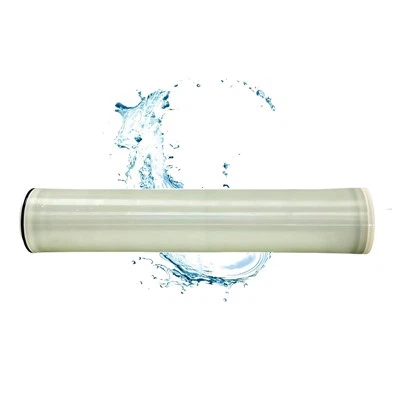
As a supplier of nanofiltration membranes, I’ve witnessed firsthand the remarkable potential of this technology in various industries. Nanofiltration membranes are semi – permeable barriers that can selectively separate ions and small molecules based on size and charge. They are widely used in water treatment, food and beverage processing, pharmaceutical production, and many other fields. However, despite their numerous advantages, the application of nanofiltration membranes also presents several challenges. Nanofiltration Membrane
1. Fouling and Scaling
One of the most significant challenges in the application of nanofiltration membranes is fouling and scaling. Fouling refers to the accumulation of particles, colloids, organic matter, and microorganisms on the membrane surface, which can reduce the membrane’s permeability and separation efficiency. Scaling, on the other hand, is the precipitation of sparingly soluble salts on the membrane surface, forming a hard layer that can also impede the flow of water and solutes through the membrane.
Fouling can be caused by a variety of factors, including the presence of suspended solids, natural organic matter (NOM), and microorganisms in the feed water. NOM, such as humic and fulvic acids, can adsorb onto the membrane surface, creating a layer that restricts the passage of water and solutes. Microorganisms can also attach to the membrane surface and form biofilms, which can further reduce membrane performance.
Scaling is often related to the high concentration of divalent ions, such as calcium, magnesium, and sulfate, in the feed water. When the concentration of these ions exceeds their solubility limits, they can precipitate on the membrane surface, forming scale deposits. Scale formation not only reduces membrane flux but can also cause irreversible damage to the membrane structure.
To address fouling and scaling issues, various pretreatment methods can be employed. For example, filtration through media such as sand, activated carbon, or microfiltration membranes can remove suspended solids and some organic matter from the feed water. Chemical pretreatment, such as the addition of anti – scaling agents or biocides, can also be used to prevent scale formation and control microbial growth. In addition, regular membrane cleaning using physical or chemical methods is essential to maintain membrane performance.
2. Membrane Selectivity and Optimization
Another challenge in the application of nanofiltration membranes is achieving the desired selectivity for specific solutes. Nanofiltration membranes are designed to separate ions and small molecules based on their size and charge. However, achieving high selectivity for a particular solute can be difficult, especially when dealing with complex mixtures.
The selectivity of a nanofiltration membrane is determined by several factors, including the membrane’s pore size, surface charge, and chemical composition. Pore size plays a crucial role in determining the size of solutes that can pass through the membrane. A smaller pore size generally results in higher rejection of solutes, but it can also reduce the membrane’s permeability. Surface charge also affects the membrane’s selectivity, as charged solutes are more likely to be rejected by a membrane with the same charge.
Optimizing membrane performance requires a careful balance between selectivity and permeability. This often involves adjusting the membrane’s pore size, surface charge, and chemical composition during the manufacturing process. In addition, operating conditions such as pressure, temperature, and feed concentration can also have a significant impact on membrane selectivity. For example, increasing the pressure can increase the membrane’s permeability, but it may also reduce its selectivity.
3. Cost – effectiveness
Cost – effectiveness is a major concern in the application of nanofiltration membranes. The initial cost of purchasing and installing nanofiltration membrane systems can be relatively high, especially for large – scale applications. In addition, the operating and maintenance costs, including membrane replacement, energy consumption, and chemical usage, can also add up over time.
To improve cost – effectiveness, several strategies can be employed. One approach is to optimize the membrane design and manufacturing process to reduce the cost of membrane production. This can involve using more cost – effective materials or developing new manufacturing techniques. Another strategy is to improve the membrane’s performance and lifespan through better pretreatment and membrane cleaning methods. By reducing the frequency of membrane replacement and minimizing energy consumption, the overall cost of operating a nanofiltration membrane system can be significantly reduced.
4. Compatibility with Different Feed Solutions
Nanofiltration membranes need to be compatible with a wide range of feed solutions to be effective in different applications. However, different feed solutions can have different chemical and physical properties, which can pose challenges for membrane performance.
For example, some feed solutions may contain high concentrations of acids, bases, or organic solvents, which can damage the membrane material. In addition, the pH of the feed solution can also affect membrane performance. Most nanofiltration membranes have a limited pH range within which they can operate effectively. Outside of this range, the membrane may experience chemical degradation or changes in its surface properties, leading to reduced performance.
To ensure membrane compatibility with different feed solutions, it is important to select the appropriate membrane material and design for the specific application. In some cases, it may be necessary to modify the membrane surface or use protective coatings to improve its resistance to chemical attack.
5. Regulatory and Environmental Considerations
The application of nanofiltration membranes is also subject to various regulatory and environmental considerations. In many countries, there are strict regulations regarding the quality of water and the disposal of wastewater. Nanofiltration membrane systems need to comply with these regulations to ensure the safety and environmental sustainability of their operations.
For example, in water treatment applications, nanofiltration membranes are used to remove pollutants such as heavy metals, pesticides, and pharmaceuticals from water. The treated water must meet the regulatory standards for drinking water or industrial use. In addition, the disposal of concentrated waste streams generated by nanofiltration membrane systems needs to be managed in an environmentally friendly manner.
To address these regulatory and environmental challenges, it is important to develop and implement proper monitoring and reporting systems. This can involve regular testing of the feed and treated water to ensure compliance with regulatory standards. In addition, the development of sustainable waste management strategies, such as the reuse or recycling of concentrated waste streams, can help reduce the environmental impact of nanofiltration membrane systems.
Conclusion
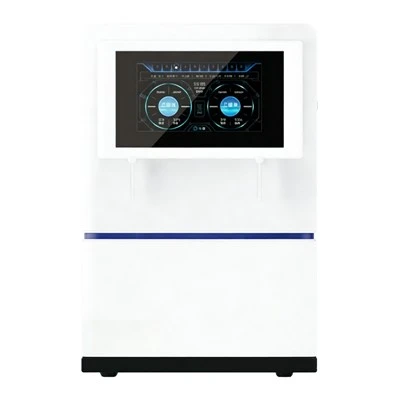
Despite the challenges in the application of nanofiltration membranes, their potential benefits in various industries are undeniable. As a nanofiltration membrane supplier, we are committed to addressing these challenges through continuous research and development. We strive to improve membrane performance, reduce costs, and ensure membrane compatibility with different feed solutions.
Containerized Water Treatment System If you are interested in learning more about our nanofiltration membranes or would like to discuss your specific application requirements, we invite you to engage in a procurement discussion. Our team of experts is ready to provide you with detailed information and customized solutions to meet your needs.
References
- Baker, R. W. (2004). Membrane Technology and Applications. John Wiley & Sons.
- Mulder, M. (1996). Basic Principles of Membrane Technology. Kluwer Academic Publishers.
- Cheryan, M. (1998). Ultrafiltration and Microfiltration Handbook. Technomic Publishing.
Hangzhou Nanoimp Environmental Technology Co., Ltd.
With abundant experience, we are one of the most professional nanofiltration membrane manufacturers and suppliers in China. Welcome to wholesale high quality nanofiltration membrane in stock here and get pricelist from our factory. We also accept customized orders.
Address: Road 25, Baiyang Street, Qiantang District, Hangzhou City, Zhejiang Province
E-mail: keith.wang@nano-sepmer.com
WebSite: https://www.nanoimp-membrane.com/
