Hey there! I’m a supplier of Rigid Flex PCBs, and today I wanna chat about one of the most common questions I get asked: What is the minimum bend radius of a Rigid Flex PCB? Rigid Flex PCB

Understanding Rigid Flex PCBs
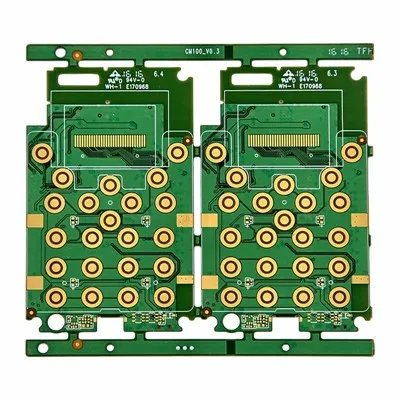
First off, let’s quickly go over what Rigid Flex PCBs are. A Rigid Flex PCB is a type of printed circuit board that combines the benefits of both rigid and flexible PCBs. It has rigid sections that provide structural support and flexible sections that allow for bending and folding. This makes them ideal for applications where space is limited or where the PCB needs to conform to a specific shape.
Why the Minimum Bend Radius Matters
The minimum bend radius is a crucial factor when it comes to Rigid Flex PCBs. It refers to the smallest radius that the flexible section of the PCB can be bent without causing damage to the traces, vias, or other components. If you bend the PCB beyond its minimum bend radius, you risk cracking the traces, breaking the vias, or even delaminating the layers. This can lead to electrical failures, reduced performance, and ultimately, a shorter lifespan for the PCB.
Factors Affecting the Minimum Bend Radius
There are several factors that can affect the minimum bend radius of a Rigid Flex PCB. Here are some of the most important ones:
1. Material Thickness
The thickness of the flexible material used in the PCB is one of the most significant factors. Thicker materials generally have a larger minimum bend radius because they are less flexible. For example, a PCB with a flexible layer that is 0.002 inches thick may have a minimum bend radius of 0.05 inches, while a PCB with a 0.005-inch-thick flexible layer may require a minimum bend radius of 0.1 inches.
2. Trace Width and Spacing
The width and spacing of the traces on the flexible section of the PCB also play a role in determining the minimum bend radius. Wider traces and larger spacing between traces can tolerate more bending without damage. This is because wider traces have more surface area to distribute the stress caused by bending, and larger spacing reduces the risk of short circuits between adjacent traces.
3. Number of Layers
The number of layers in the Rigid Flex PCB can also affect the minimum bend radius. More layers generally mean a thicker and less flexible PCB, which requires a larger minimum bend radius. Additionally, the presence of multiple layers can increase the complexity of the PCB, making it more difficult to bend without causing damage.
4. Bend Direction
The direction in which the PCB is bent can also impact the minimum bend radius. Bending the PCB in the direction of the grain (the direction in which the flexible material was rolled during manufacturing) is generally easier and requires a smaller minimum bend radius than bending it against the grain.
Calculating the Minimum Bend Radius
Calculating the minimum bend radius of a Rigid Flex PCB is not an exact science, as it depends on a variety of factors. However, there are some general guidelines that can help you estimate the minimum bend radius for your specific application.
One common rule of thumb is to use a minimum bend radius that is at least 10 times the thickness of the flexible material. For example, if your flexible layer is 0.003 inches thick, the minimum bend radius should be at least 0.03 inches.
Another approach is to consult the manufacturer’s specifications for the flexible material you are using. Most manufacturers provide recommended minimum bend radii for their materials based on the thickness, type, and other properties of the material.
It’s important to note that these are just guidelines, and the actual minimum bend radius may vary depending on the specific design and application of the PCB. In some cases, it may be necessary to conduct physical testing to determine the minimum bend radius that is suitable for your PCB.
Testing the Minimum Bend Radius
Testing the minimum bend radius of a Rigid Flex PCB is an important step in the design and manufacturing process. There are several methods that can be used to test the bendability of a PCB, including:
1. Manual Bending
One of the simplest ways to test the minimum bend radius is to manually bend the PCB using a pair of pliers or a bending fixture. This method allows you to visually inspect the PCB for any signs of damage, such as cracks or delamination, after each bend.
2. Automated Bending Machines
Automated bending machines can be used to perform more precise and repeatable bending tests. These machines can apply a controlled amount of force and bend the PCB to a specific radius, allowing you to accurately measure the minimum bend radius.
3. Flex Testing
Flex testing involves repeatedly bending the PCB back and forth to simulate the stress and strain that it will experience in its intended application. This type of testing can help you determine the long-term durability and reliability of the PCB.
Choosing the Right Minimum Bend Radius for Your Application
When choosing the minimum bend radius for your Rigid Flex PCB, it’s important to consider the specific requirements of your application. Here are some factors to keep in mind:
1. Space Constraints
If you are working in a tight space, you may need to use a smaller minimum bend radius to fit the PCB into the available space. However, you need to make sure that the smaller bend radius does not cause damage to the PCB.
2. Flexibility Requirements
If your application requires the PCB to be bent or folded multiple times, you may need to choose a larger minimum bend radius to ensure that the PCB can withstand the repeated bending without damage.
3. Electrical Performance
Bending the PCB beyond its minimum bend radius can affect the electrical performance of the PCB. For example, it can increase the resistance of the traces, reduce the signal integrity, and cause electromagnetic interference. Therefore, it’s important to choose a minimum bend radius that does not compromise the electrical performance of the PCB.
Conclusion
In conclusion, the minimum bend radius of a Rigid Flex PCB is an important factor that needs to be carefully considered during the design and manufacturing process. By understanding the factors that affect the minimum bend radius and following the guidelines and testing methods outlined in this blog post, you can ensure that your Rigid Flex PCB is designed and manufactured to meet the specific requirements of your application.
Wire Harness If you’re in the market for Rigid Flex PCBs and have questions about the minimum bend radius or any other aspect of our products, don’t hesitate to reach out. We’re here to help you find the best solution for your needs. Whether you’re working on a small project or a large-scale production, we have the expertise and experience to deliver high-quality Rigid Flex PCBs that meet your specifications.
References
- Printed Circuit Design Handbook, Fourth Edition by Clyde F. Coombs, Jr.
- IPC-2223: Sectional Design Standard for Flexible Printed Boards
Huaswin Electronics Technology Co., Ltd.
With abundant experience, we are one of the most professional rigid flex PCB manufacturers and suppliers in China. Welcome to wholesale customized rigid flex PCB at competitive price from our factory. If you have any enquiry about pricelist, please feel free to email us.
Address: Building A2, Hao Hai Hong Industrial Park, No.3 Yu He Road, Gong He, Sha Jing, Bao An, Shenzhen
E-mail: sales@huaswin.com
WebSite: https://www.huaswin-pcba.com/
